Swiggy Shuts 15-Minute Food Delivery App SNACC After Profitability Challenges
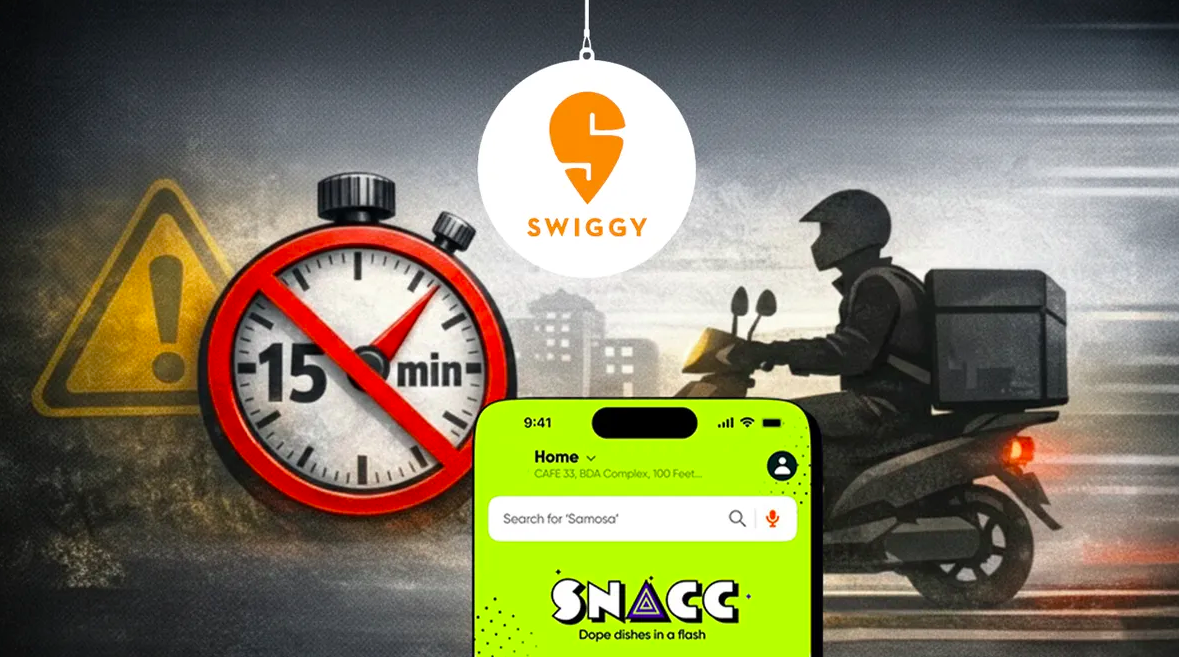
Swiggy has shut down its 15-minute food delivery app SNACC, nearly a year after its launch, as the vertical struggled to achieve sustainable profitability. The decision marks another instance of India’s food-tech players reassessing rapid-delivery experiments amid tightening focus on unit economics and scalable business models.
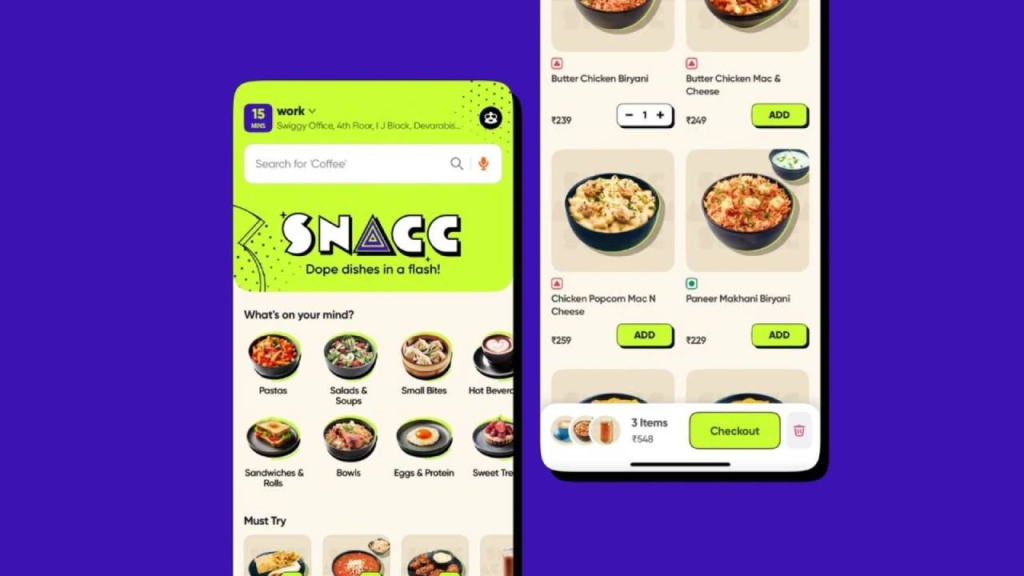
SNACC was operational in Bengaluru and Gurugram, where it functioned as a pilot offering ultra-fast delivery of breakfast items, coffee, bakery products, snacks, cold drinks, and other convenience foods. According to sources cited by VOE Media, employees associated with the SNACC vertical will be absorbed into other parts of Swiggy’s business, indicating a strategic consolidation rather than a complete rollback of talent or capabilities.
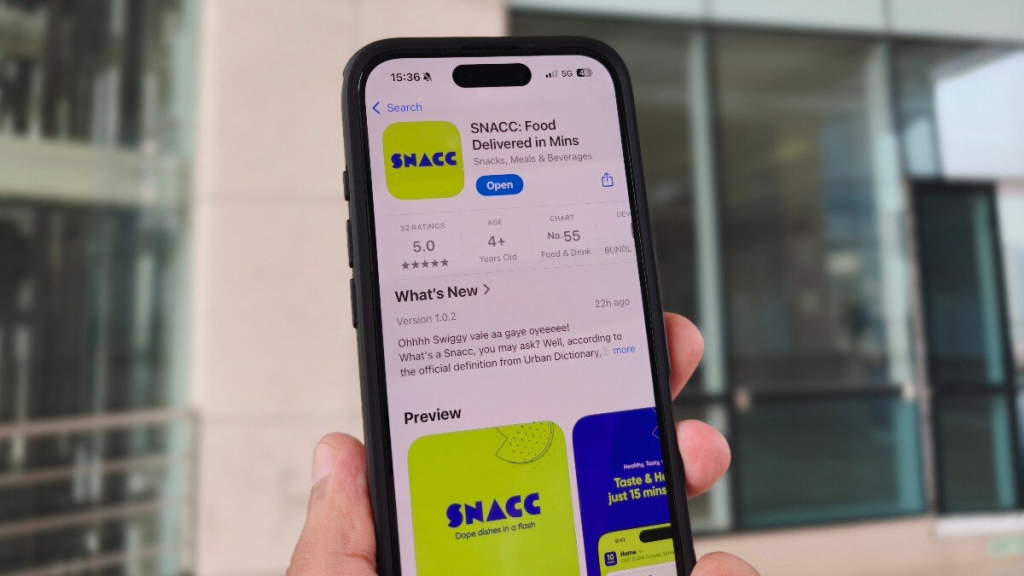
As per a Moneycontrol report, Swiggy informed employees in an internal email that while product-market fit (PMF) was beginning to emerge for SNACC, the broader economics made it difficult to scale the model sustainably. Ultra-fast food delivery requires dense demand, high order frequency, and extremely efficient operations, conditions that are challenging to maintain consistently across cities without significant cost pressures.
SNACC was launched in January 2025, at a time when the idea of 10-minute and 15-minute food delivery was gaining traction across India’s quick commerce and food-tech ecosystem. The pilot was Swiggy’s attempt to tap into impulse consumption and convenience-driven demand, particularly among urban consumers seeking quick meals and beverages.
However, Swiggy was not alone in experimenting with this format. Rival Blinkit launched a separate app called Bistro to deliver food in 15 minutes, while Zepto rolled out Zepto Cafe as part of its broader quick commerce strategy. These initiatives collectively highlighted the industry’s interest in blending food delivery with rapid commerce, but also exposed the complexity of making such models profitable.
Swiggy’s decision to shut SNACC reflects a growing trend among consumer internet companies to prioritise financial discipline over experimental expansion. As platforms mature and prepare for long-term growth, there is increasing emphasis on optimising core businesses rather than scaling loss-making verticals.
While SNACC may not continue as a standalone app, its learnings are likely to influence Swiggy’s future innovations in food delivery and convenience formats. The shutdown underscores a clear reality of India’s fast-moving delivery space: speed alone is not enough; sustainable economics ultimately decide what scales.







Post Comment