Zomato Raises Platform Fee to ₹14.9 Amid Rising Cost Pressures in Food Delivery Sector

Food delivery giant Zomato has increased its platform fee to ₹14.9 per order, up from ₹12.5, marking a 19.2% hike. The move is expected to slightly raise the overall cost of ordering food for consumers, reflecting broader cost pressures across the food delivery ecosystem.
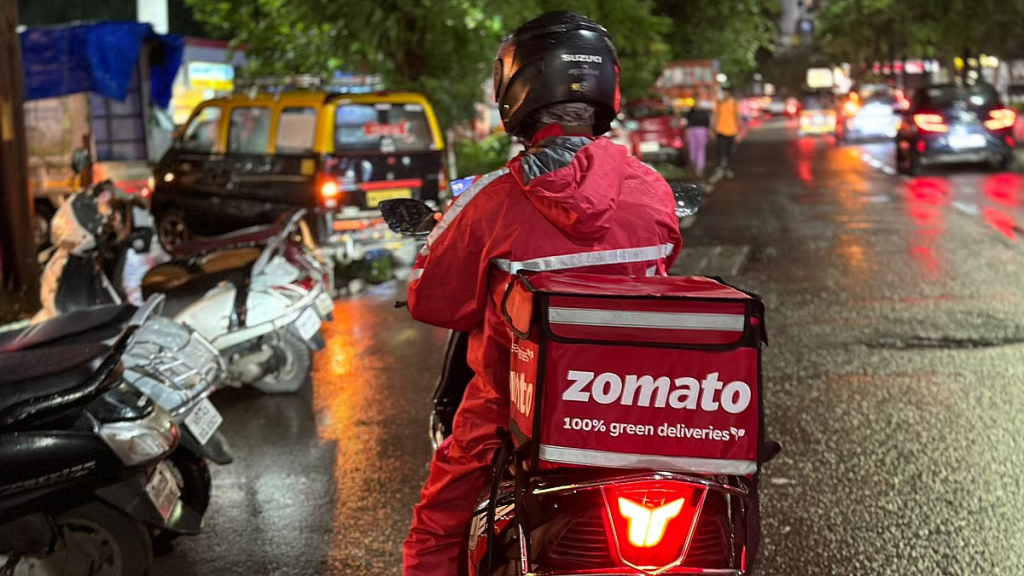
The decision comes at a time when the industry is grappling with rising crude oil prices and an LPG shortage, both of which have significantly increased logistics and operational costs. Delivery partners are facing higher fuel expenses, while restaurants are dealing with increased cooking and supply chain costs due to higher LPG prices.
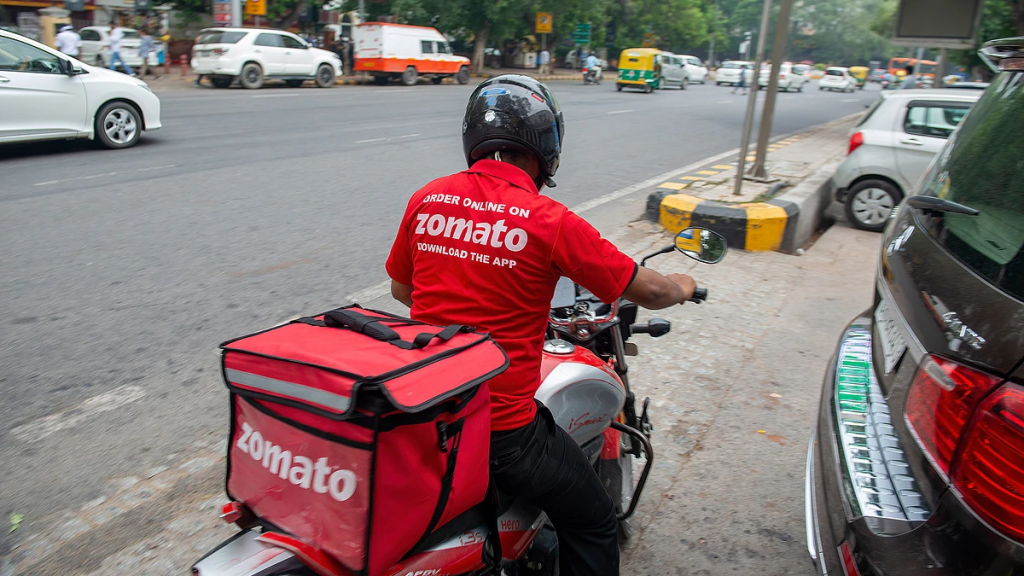
Zomato’s move is not an isolated one. Its closest competitor, Swiggy, is currently charging a similar platform fee of ₹14.99 per order, indicating a growing trend of pricing alignment across major players in the food delivery space. This suggests that companies are collectively adjusting their pricing strategies to maintain operational sustainability in a challenging cost environment.
The platform fee, which is charged per order, has become an important revenue stream for food delivery companies. Unlike delivery charges, which can vary based on distance, time, and demand, platform fees are typically fixed and help companies cover technology, operations, and customer support costs.
However, the increase highlights a broader shift in the industry, where platforms are increasingly passing on cost pressures to consumers. With fuel disruptions affecting delivery efficiency and restaurant operations, maintaining profitability has become more challenging for both aggregators and restaurant partners.
For restaurants, rising input costs, ranging from raw materials to energy, are already impacting margins. Coupled with higher commission structures and platform-related charges, many small and mid-sized food businesses are feeling the strain. As a result, consumers may see a gradual increase in menu prices alongside higher platform fees.
Despite these challenges, demand for food delivery services remains strong, driven by urban lifestyles, convenience, and digital adoption. Platforms like Zomato continue to invest in improving delivery efficiency, user experience, and restaurant partnerships to sustain growth.
The recent fee hike signals a phase where the food delivery industry is moving towards more sustainable unit economics, even if it means slightly higher costs for end users.
As the ecosystem evolves, balancing affordability for consumers with profitability for platforms and restaurants will remain a key challenge. Zomato’s pricing move reflects the reality of operating in a cost-sensitive yet rapidly growing market, where adaptability is crucial for long-term success.












Post Comment