OpenAI Confirms Classified Defense Deployment With Safety Guardrails, Signaling a New Phase in AI–Military Relations

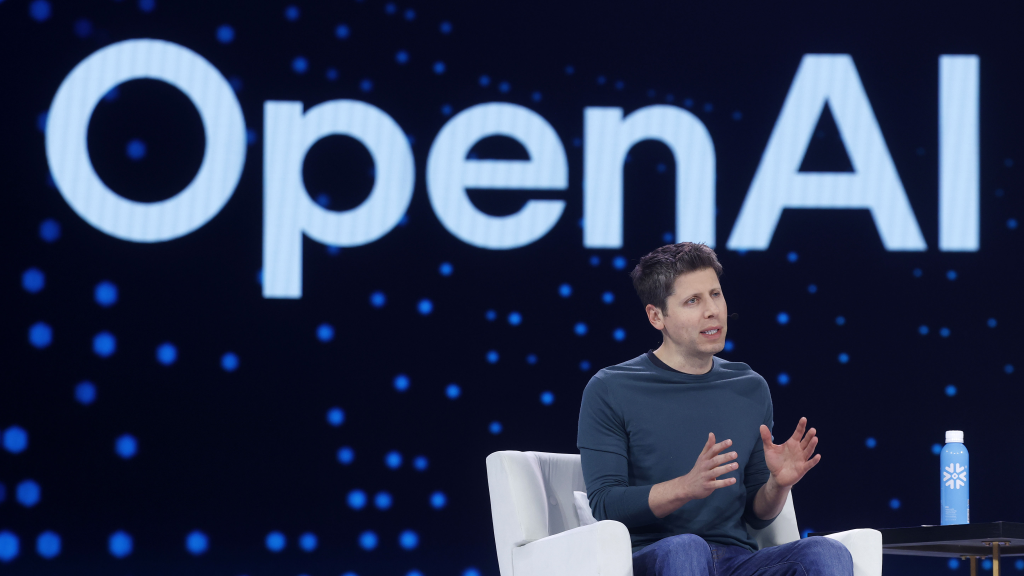
OpenAI CEO Sam Altman has confirmed that the company has entered into an agreement allowing its AI models to be used within the US Department of Defense’s classified networks, marking a significant moment in the evolving relationship between advanced AI systems and national security infrastructure.
Crucially, Altman emphasized that the agreement includes explicit safety and ethical guardrails, addressing long-standing concerns around military AI deployment. According to his statement, OpenAI’s models will operate under strict technical safeguards, including a prohibition on domestic mass surveillance and a firm requirement that humans remain fully responsible for the use of force, even in contexts involving autonomous or semi-autonomous systems.

This clarification places OpenAI’s stance squarely within the ongoing global debate over AI autonomy, surveillance, and lethal decision-making. By drawing clear boundaries, the company is attempting to balance participation in national defense with its publicly stated commitment to responsible AI development.
The announcement came amid heightened tensions in Washington’s AI ecosystem. Just hours earlier, Donald J. Trump ordered federal agencies to cease the use of AI models from rival firm Anthropic, following disagreements over ethical constraints related to military and surveillance use. The move underscored the increasingly politicised nature of AI governance and procurement at the federal level.
Behind the scenes, pressure has been mounting on AI companies supplying government agencies. The Pentagon had reportedly threatened Anthropic with potential action under the Defense Production Act, escalating a standoff over whether private AI firms can impose ethical limits on how their technology is used by the military. The episode reflects a broader struggle between state imperatives and corporate responsibility in the age of general-purpose AI.
OpenAI’s deal suggests a middle path may be emerging, one where advanced AI can support defense objectives such as logistics, intelligence analysis, and decision support, while maintaining clear prohibitions against unchecked surveillance and fully autonomous lethal action. By embedding safeguards directly into the deployment architecture, OpenAI is attempting to codify responsible use rather than rely solely on policy assurances.
In the bigger picture, the agreement highlights how AI has moved from the periphery of defense planning to its core. As governments race to integrate AI into national security, the rules governing its use are being negotiated in real time, often through high-stakes confrontations between policymakers and technology leaders.
OpenAI’s classified deployment, with guardrails intact, may serve as a precedent for how future AI–defense partnerships are structured, where capability and caution must advance together.













Post Comment