Uber Discontinues Shuttle Services in Delhi NCR, Refocuses on Core Mobility Strategy
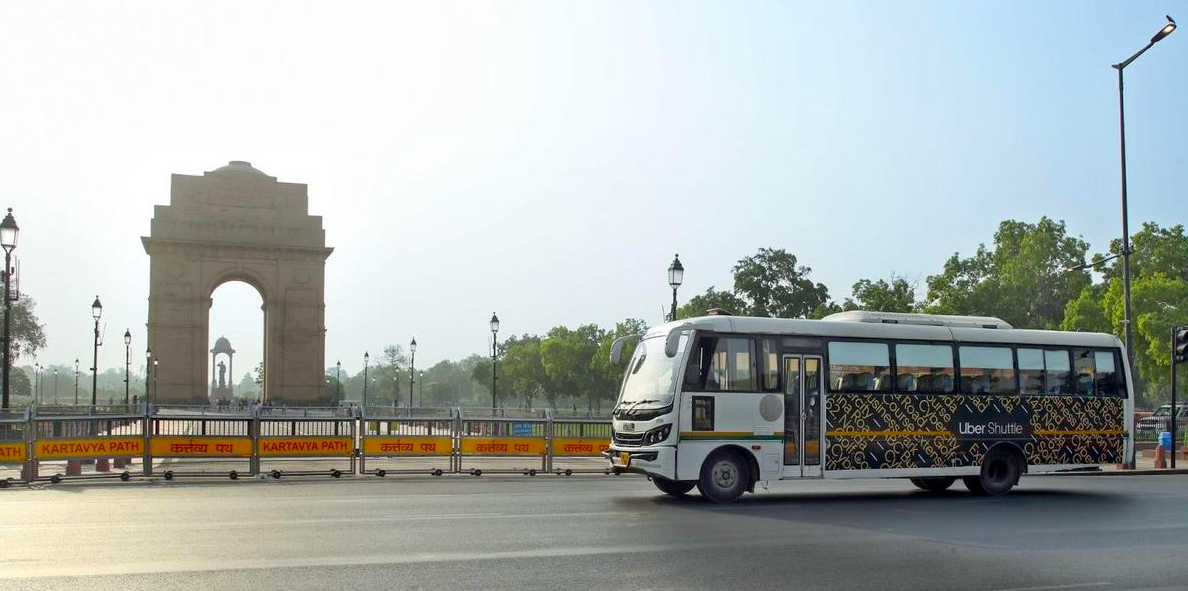
Ride-hailing giant Uber has officially discontinued its Uber Shuttle services in Delhi NCR, marking the end of its last remaining shuttle operation in India. The decision follows similar shutdowns in Mumbai and Hyderabad last year, as the company reassesses its mobility offerings in the region.
In a communication sent to users, Uber stated, “We wanted to inform you that Uber Shuttle services in your city will be discontinued after 27 March. After this date, Shuttle rides will no longer be available.” The announcement signals a strategic pivot as the company moves away from low-performing verticals.

Uber Shuttle was introduced as a shared mobility solution, allowing commuters to pre-book seats on buses operating on fixed routes. The service gained traction among daily office-goers traveling between New Delhi, Gurugram, and Noida, offering a structured and relatively affordable alternative to traditional ride-hailing options.
However, despite its potential, the service faced challenges related to low ridership and high operational costs, making it difficult to sustain profitability. Operating fixed-route services requires maintaining consistent occupancy levels, and fluctuations in demand—especially post-pandemic—likely impacted its viability.

With the closure of shuttle services in Delhi NCR, Uber has effectively exited the bus-based shared commute segment in India. Notably, Delhi NCR was the only city where Uber Shuttle was still operational, underscoring the broader strategic withdrawal from this category.
The move aligns with Uber’s renewed focus on strengthening its core mobility business, particularly in the office commute segment, which the company sees as a key growth driver in India. Instead of operating fixed-route buses, Uber is expected to double down on flexible ride options, corporate travel solutions, and on-demand services that better align with evolving commuter preferences.
India remains one of Uber’s most important markets globally, with a rapidly growing urban population and increasing demand for reliable, tech-enabled transportation solutions. By optimizing its service portfolio, the company aims to improve operational efficiency and enhance user experience.

Industry experts believe that while shuttle services offered a promising alternative, scalability and cost management remain critical challenges in the shared mobility space. Companies are increasingly prioritizing models that offer greater flexibility, higher margins, and consistent demand.
As Uber sharpens its strategy, the focus will likely remain on innovation in ride-hailing, corporate mobility, and multimodal transport integrations. While the exit from shuttle services marks the end of an experiment, it also reflects Uber’s commitment to adapting its business model in response to market realities.
Going forward, Uber’s ability to capture the daily commute segment through more scalable solutions will play a crucial role in its long-term growth in India.









Post Comment