UPI transactions up to ₹2,000 will remain free of charges, while the possibility of charges on transactions above the threshold has now been opened
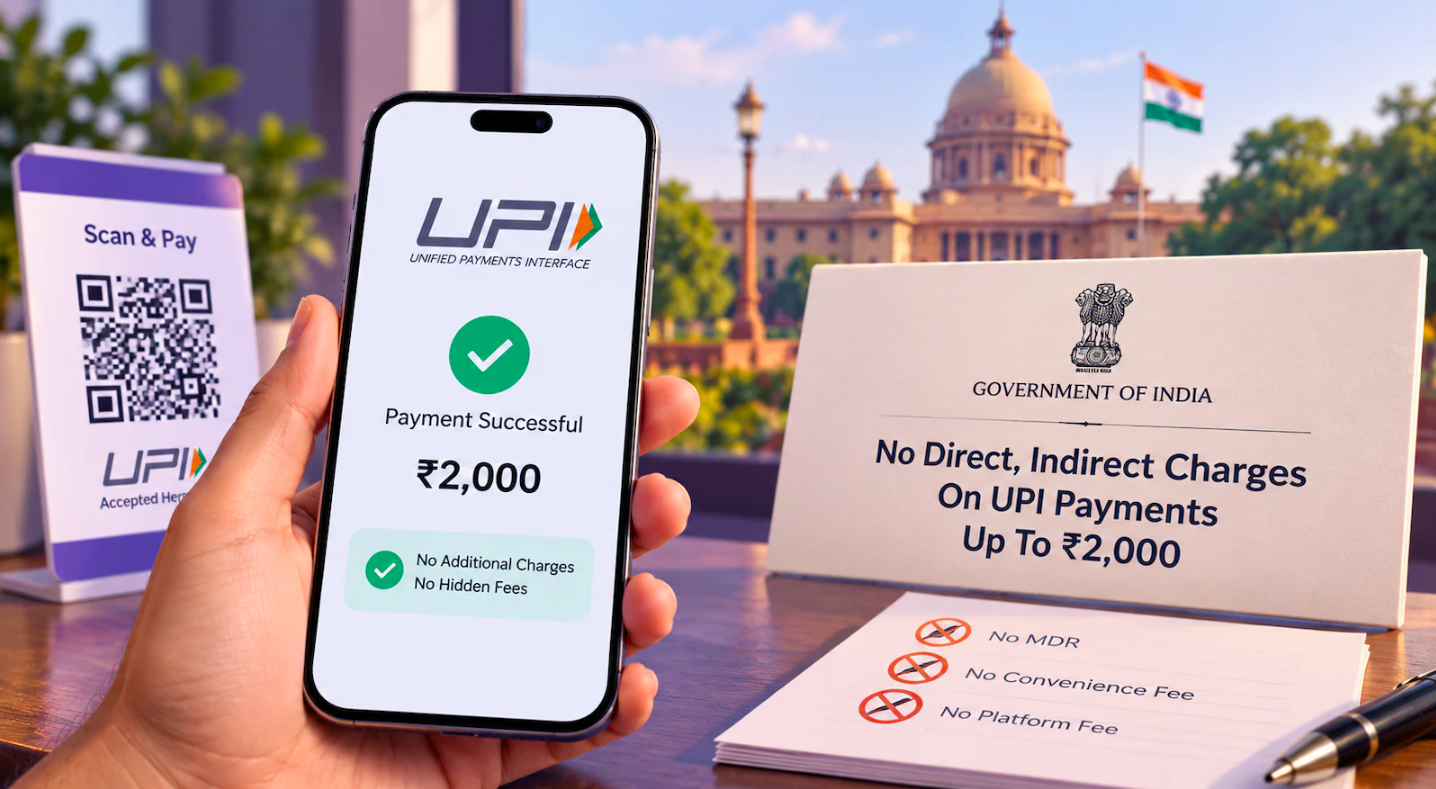
India’s Unified Payments Interface (UPI) is entering a new phase as the government moves to create a framework that could allow charges on certain higher-value UPI transactions, while keeping smaller payments free.
The Finance Ministry has amended the Payment and Settlement Systems Act, 2007, enabling the government to specify electronic payment modes and set thresholds below which charges cannot be imposed. Under the notification issued on September 14, UPI transactions up to ₹2,000 will remain free of charges, while the possibility of charges on transactions above the threshold has now been opened.
Importantly, the move does not mean that MDR has already been imposed on UPI transactions above ₹2,000. The government has created an enabling framework, while the detailed structure and rates for any potential merchant charges are yet to be finalised. The UPI and Services Steering Committee, headed by NPCI, is expected to play a key role in determining the framework.
Industry reports suggest that a potential MDR of around 40 basis points, or 0.4%, could be considered for selected higher-value transactions. Under one reported model, the fee could potentially be distributed among issuing banks, third-party application providers (TPAPs) and acquiring banks. However, these rates and revenue-sharing arrangements should be viewed as proposals under discussion rather than confirmed policy.
The development comes at a time when UPI has reached unprecedented scale. In August 2026, UPI processed a record 24.51 billion transactions worth ₹29.82 lakh crore, with transaction volume increasing around 22% year-on-year.
At this scale, the economics of maintaining and expanding the UPI ecosystem have become increasingly important. The government has previously described the legislative change as an enabling measure intended to support UPI’s long-term sustainability, technological development, cybersecurity and resilience, while emphasising that the vast majority of transactions would continue to remain free.
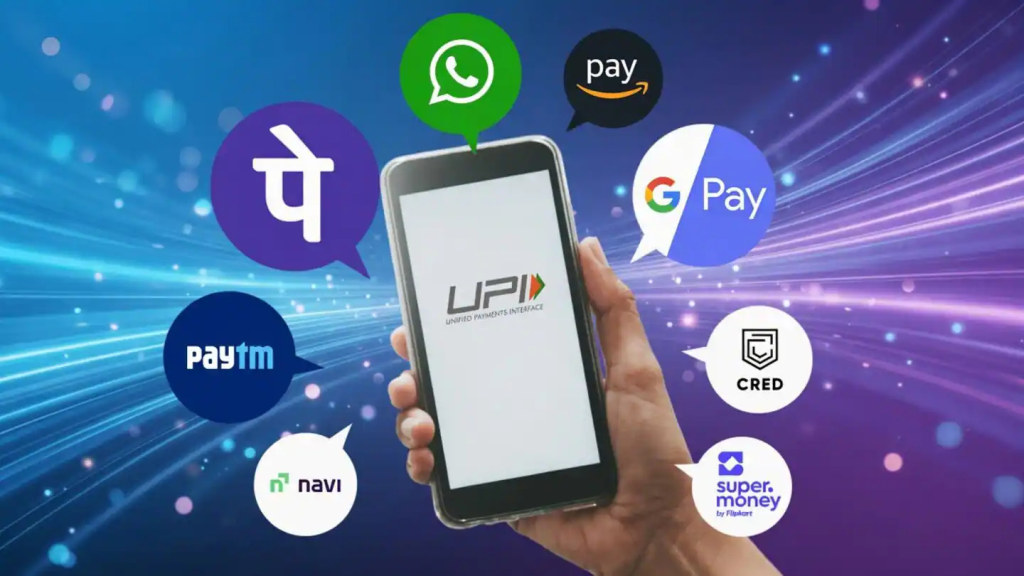
For consumers, the immediate impact is limited: UPI payments up to ₹2,000 remain protected from charges, and person-to-person transactions continue to remain free. For merchants processing larger-value transactions, however, the possibility of MDR could eventually introduce a new cost consideration.
The potential shift marks an important moment in India’s digital payments journey. UPI was built around simplicity, accessibility and low-cost transactions. As the network continues to expand at extraordinary scale, the challenge now will be to create a sustainable commercial model without weakening the affordability and convenience that made UPI one of India’s most successful digital public infrastructures.












Post Comment