Deepinder Goyal’s Temple Doubles Valuation to $375 Million, Signaling Strong Investor Confidence in HealthTech Innovation
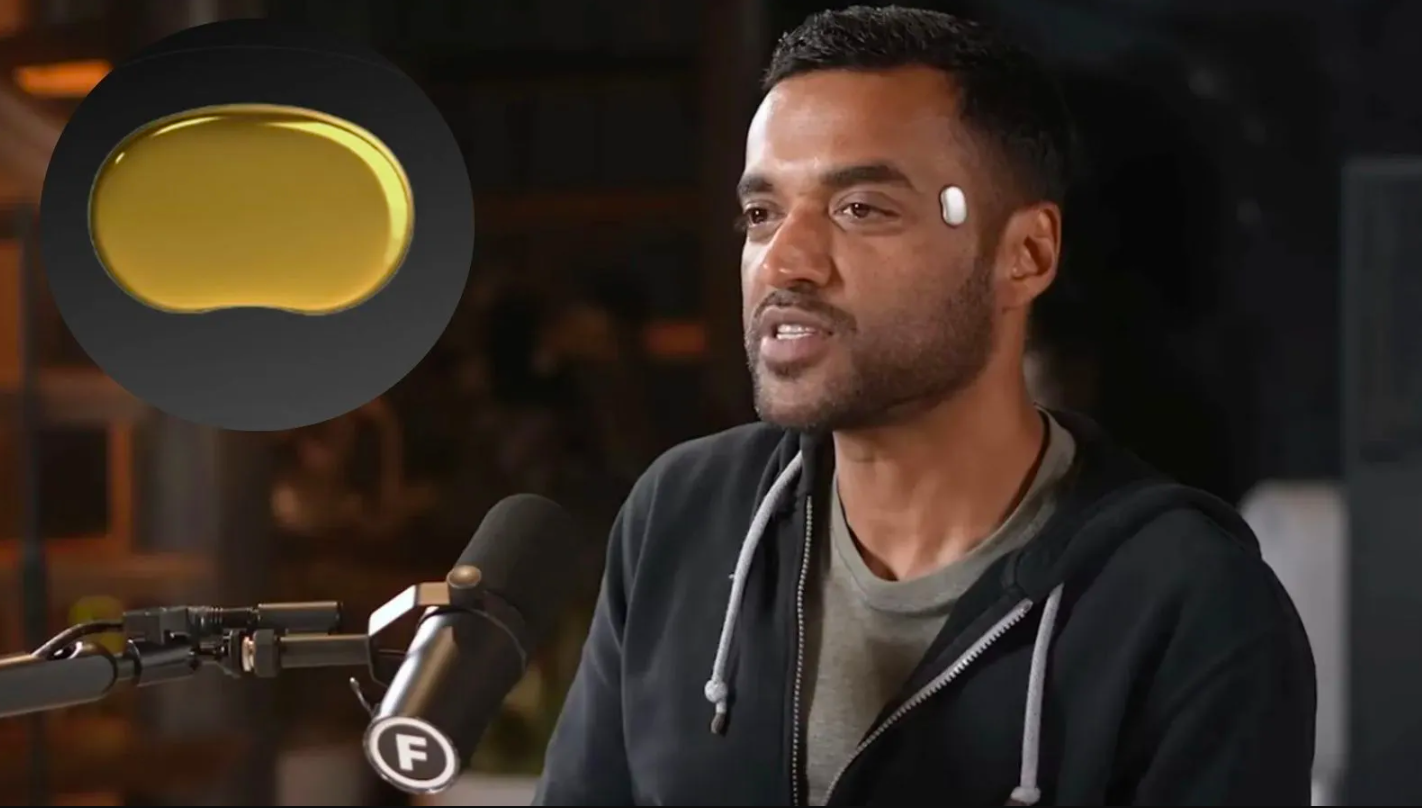
India’s HealthTech ecosystem continues to gain momentum as Temple, the wearable technology startup founded by Zomato CEO Deepinder Goyal, has reportedly doubled its valuation to $375 million through its first Employee Stock Ownership Plan (ESOP) liquidity program. The milestone highlights growing investor confidence in preventive healthcare technologies and the next generation of AI-powered wearable devices.
According to reports, Temple’s ESOP buyback allows eligible employees to sell up to 25% of their vested ESOPs, providing liquidity while rewarding early contributors to the company’s growth. Employee liquidity events are often viewed as a positive indicator of a startup’s maturity, demonstrating confidence from existing investors and strengthening employee retention by allowing team members to realize the value they have helped create.

The latest buyback values Temple at $375 million, a significant increase from the $190 million valuation at which it raised $54 million earlier this year. Reports also suggest that investors are already showing interest at a valuation of nearly $500 million ahead of the company’s next funding round, reflecting strong optimism around its technology and long-term market potential.
Temple is developing a forehead-worn wearable device designed to measure the body’s metabolic state in real time. Unlike traditional fitness trackers that primarily monitor heart rate or activity levels, Temple aims to provide deeper metabolic insights, enabling users to make more informed decisions about nutrition, exercise, recovery, and overall health. This innovation aligns with the rapidly expanding global focus on preventive healthcare, longevity, and personalized wellness.
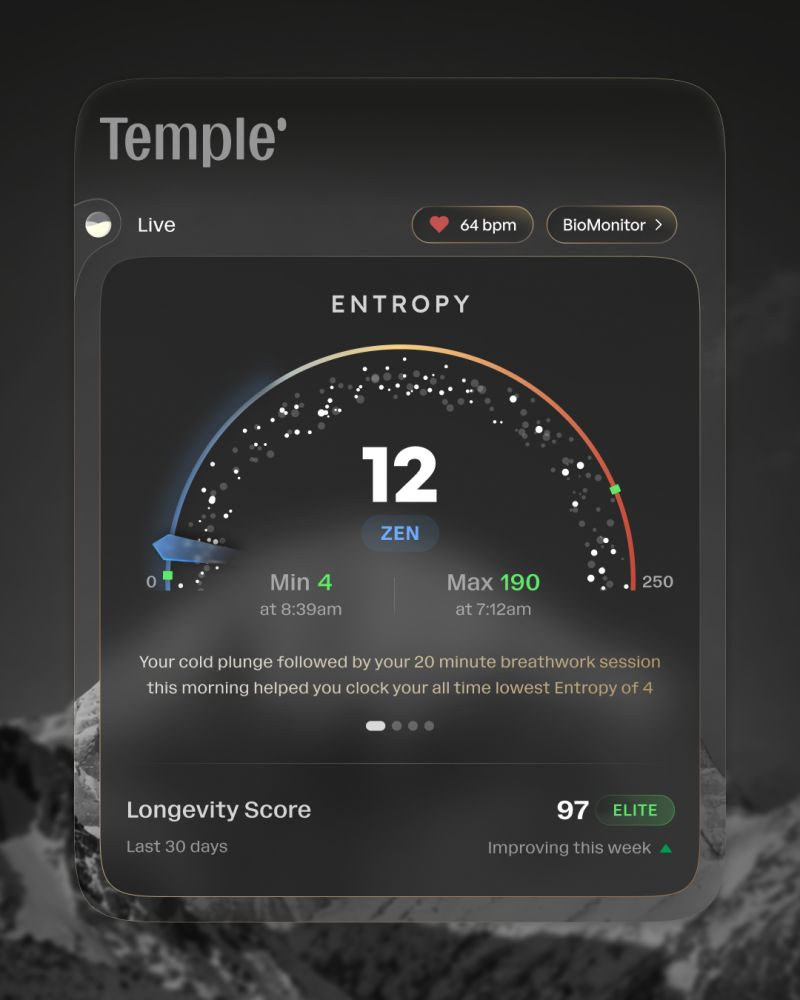
The wearable technology market has witnessed significant growth in recent years, driven by increasing consumer awareness of health monitoring and advancements in artificial intelligence, biosensors, and real-time analytics. As healthcare shifts from reactive treatment to proactive prevention, intelligent wearable devices are expected to play a crucial role in helping individuals manage their health more effectively.
Temple’s rapid valuation growth also reflects a broader trend in India’s startup ecosystem, where founders are increasingly building deep-technology companies beyond traditional internet businesses. The combination of experienced entrepreneurship, cutting-edge hardware innovation, and AI-driven health insights positions Temple within one of the fastest-growing sectors globally.
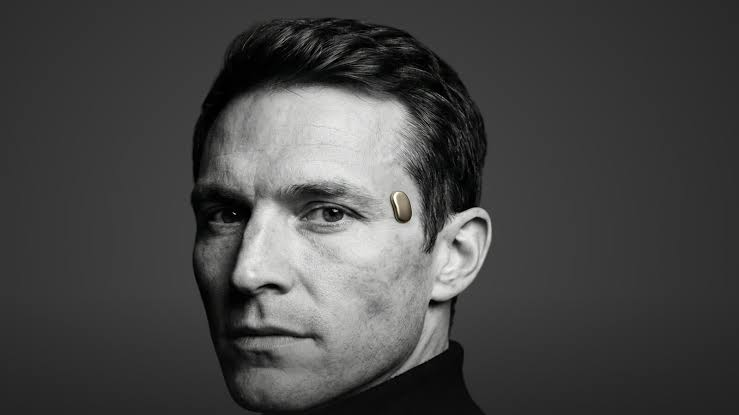
If Temple successfully commercializes its technology, it could become one of India’s leading global HealthTech companies, showcasing the country’s ability to innovate in advanced consumer technology. The company’s progress demonstrates how investor confidence, strong product vision, and breakthrough healthcare innovation are creating the next wave of high-growth startups that could redefine the future of digital health and preventive care.











Post Comment