Zypp Electric’s Asset-Light EV Model Is Making Last-Mile Mobility More Accessible for Gig Workers

For gig and delivery workers, owning a vehicle can be one of the biggest barriers to entering the last-mile delivery economy. High upfront costs, monthly EMIs, fuel expenses, maintenance, and insurance can quickly reduce take-home earnings. Gurugram-based electric mobility startup Zypp Electric is taking a different approach: instead of requiring riders to own an electric vehicle, the company offers access to EVs as a service.
Founded in 2017 by Akash Gupta and Rashi Agarwal, Zypp Electric rents electric two- and three-wheelers to delivery and gig workers while bundling essential services such as vehicle maintenance, insurance and battery swapping. The model eliminates the need for riders to make a large upfront investment in an EV or take on vehicle-related financing.
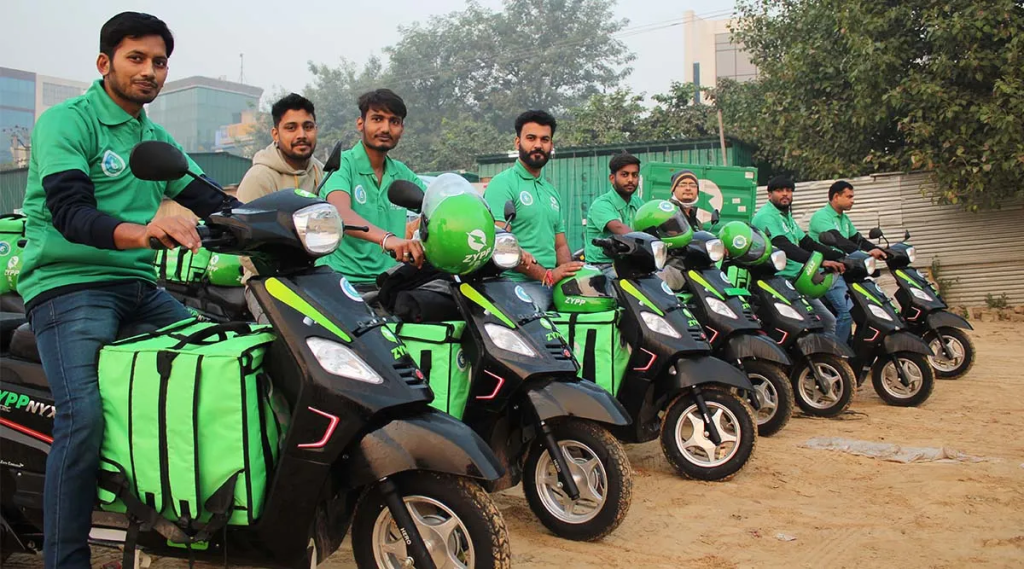
According to the company, riders using Zypp’s electric vehicles can potentially save around ₹5,000–₹6,000 per month compared with operating petrol-powered two-wheelers. For gig workers whose earnings depend heavily on daily operating costs, lower mobility expenses can directly improve their overall economics.
The company has also scaled significantly since its early days. From a fleet of a few hundred vehicles, Zypp Electric has grown to more than 25,000 EVs and says its platform has supported over 2.5 lakh gig workers. The expansion reflects the increasing demand for affordable and sustainable mobility solutions as e-commerce, food delivery and quick-commerce continue to grow across Indian cities.
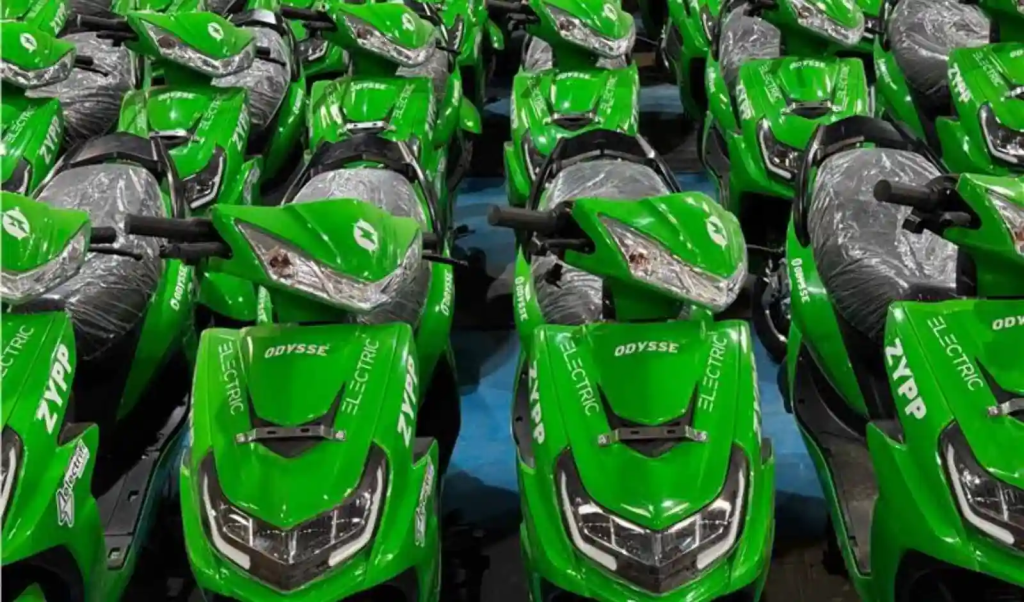
Zypp’s financial performance has expanded alongside its fleet. The company reported revenue growth from approximately ₹112 crore in FY23 to ₹303 crore in FY24, representing a substantial increase in a single financial year. Zypp has also stated that it became EBITDA positive in 2025, marking an important milestone as it scales its EV-as-a-service business.
However, the most significant aspect of Zypp Electric’s approach may not simply be its growing fleet; it is the shift in how gig workers access mobility.
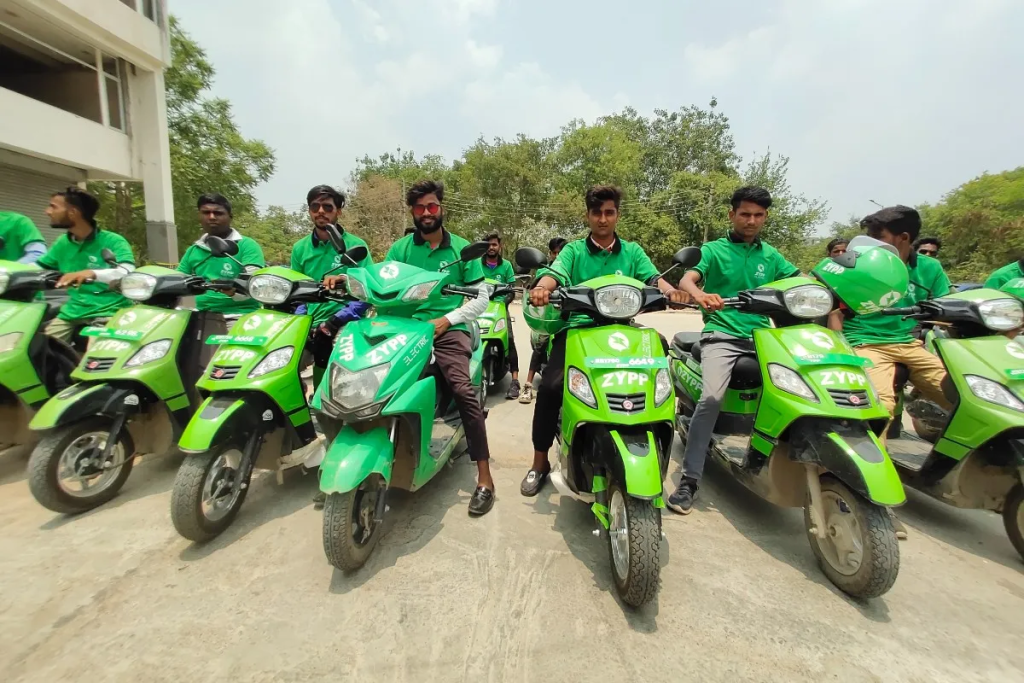
Traditional vehicle ownership requires workers to treat an EV as a capital asset, taking responsibility for financing, maintenance and depreciation. Zypp is attempting to convert those costs into an operating expense, allowing riders to pay for access to mobility without taking ownership of the underlying asset.
This approach could become increasingly relevant as India’s delivery economy expands and businesses seek lower-cost, cleaner last-mile transportation. By combining EV access with maintenance, insurance, and battery infrastructure, Zypp is positioning mobility as a service rather than a vehicle purchase.









Post Comment